
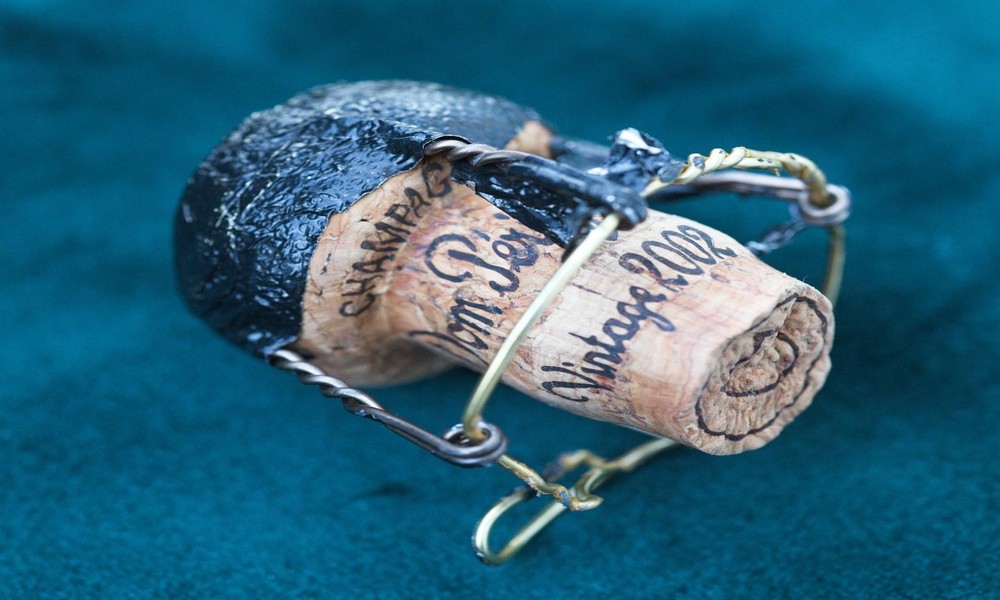

Dom Pérignon isn’t just another bottle of champagne. It’s a statement. A name that carries weight at the world’s most elegant tables, synonymous with celebration, craftsmanship, and a certain idea of timeless luxury. Behind every bottle lies not only technical mastery but also a philosophy: to capture the essence of a single year and translate it into something unforgettable.
The Vintage Philosophy That Defines Dom Pérignon
What sets Dom Pérignon apart is its unwavering commitment to vintage champagne. There’s no blending across multiple years here. Each release is tied to a specific harvest, only declared when conditions are exceptional enough to meet the house’s exacting standards.
This is where the story becomes more than technical. It becomes emotional. Every vintage reflects a moment in time: the weather patterns, the vineyard decisions, the rhythm of that particular year. For those seeking luxury vintage champagne by Dom Perignon, it’s precisely this singular identity that makes each bottle feel rare and personal.
A Delicate Balance of Grapes and Character
At the heart of Dom Pérignon lies a precise blend of three classic grape varieties: Pinot Noir, Chardonnay, and Pinot Meunier.
Pinot Noir brings structure and depth, giving the wine its backbone. Chardonnay lifts everything with freshness and elegance, while Pinot Meunier adds a subtle roundness that softens the edges. It’s not just about combining grapes, it’s about composing something harmonious, where no element dominates.
That balance is what gives Dom Pérignon its signature style: powerful yet refined, expressive yet controlled.
Inside the Craft: Time, Patience, Precision
The making of Dom Pérignon is anything but rushed. After harvest, the grapes undergo primary fermentation, laying the foundation of the wine. But the real magic happens over time.
Each bottle is aged for a minimum of eight years, allowing secondary fermentation to develop those fine, persistent bubbles. The meticulous riddling process, where bottles are gradually tilted and rotated, ensures clarity and finesse in the final product.
It’s a slow, almost meditative approach. And it shows in the glass.
Aromas That Tell a Story
One of the most captivating aspects of Dom Pérignon is its aromatic complexity. Open a bottle and you’re greeted with layers: toasted brioche, roasted hazelnuts, hints of citrus zest.
On the palate, it evolves. Notes of peach, pear, sometimes even subtle spice, unfold gradually. The texture is both rich and precise, with a freshness that keeps everything in balance.
This is a champagne that doesn’t just taste good, it reveals itself over time, sip after sip.
A Symbol of Prestige And Why It Matters
Over the decades, Dom Pérignon has built a reputation that goes beyond wine. It’s tied to celebration, exclusivity, and cultural moments.
From high-profile events to intimate milestones, it has become a go-to for those who want to mark something meaningful. Not because it’s flashy, but because it consistently delivers a sense of occasion.
That consistency is no accident. It’s the result of rigorous standards and a refusal to compromise.
How It Compares to Other Champagne Houses
In the world of prestigious champagne, houses like Veuve Clicquot or Bollinger each bring their own identity.
Where Bollinger leans into richness and power, and Veuve Clicquot offers a recognizable house style, Dom Pérignon takes a different path. It doesn’t aim for uniformity, it aims for expression.
Each vintage is a new interpretation, a new narrative. That’s what makes it particularly appealing to collectors and enthusiasts who value nuance over predictability.
Sustainability and the Future of Champagne
Like many producers in the Champagne region, Dom Pérignon is adapting to changing climates and evolving expectations.
There’s a growing focus on sustainable vineyard practices, protecting soil health, preserving biodiversity, and ensuring that future vintages can maintain the same level of excellence.
It’s a quiet shift, but an important one. Because true luxury today isn’t just about quality, it’s about responsibility.
How to Serve and Store Dom Pérignon Properly
To fully appreciate Dom Pérignon, details matter.
Serve it chilled, but not too cold, to allow its aromas to open up. While flutes are traditional, many enthusiasts now prefer wider glasses that let the wine breathe.
For storage, keep bottles in a cool, dark place, ideally lying on their side. This helps preserve the cork and maintain the integrity of the wine over time.
And if you’re gifting it? Presentation counts. A well-chosen bottle of Dom Pérignon rarely needs anything more, but it never hurts.
FAQ: What People Often Ask About Dom Pérignon
Is Dom Pérignon always vintage champagne?
Yes. Unlike many other champagnes, Dom Pérignon is only produced in vintage years when grape quality meets strict standards.
How long can you age a bottle of Dom Pérignon?
Properly stored, it can age for decades. In fact, many vintages continue to evolve beautifully over 15-30 years or more.
What makes Dom Pérignon so expensive?
Its price reflects several factors: limited production, long aging periods, meticulous craftsmanship, and strong global demand.
What food pairs best with Dom Pérignon?
It pairs exceptionally well with seafood (like lobster or oysters), white meats, and even certain creamy cheeses. Its balance allows it to adapt to both delicate and richer dishes.
Is Dom Pérignon worth it for casual occasions?
That depends on what you’re looking for. It’s designed for moments that feel meaningful, but there’s no rule saying you can’t open one just because you feel like it.
